It Is the Best of Times—and the Most Dangerous of Times—for AI to Show Up
and the three things we must do
as seen on:





Before I begin, I have to say Go HAWKS!!!!!! (ahem)
Last week I wrote about Marc Andreessen’s interview related to AI and education. In the same interview, if you haven’t listened, he discusses AI as showing up at exactly the right time to compensate for the anticipated global population collapse and help ensure the economy doesn’t also crash.
In this way, AI is showing up at the best possible time.
But it’s also the worst time.
If LLMs are built by people (of course they are), and if they take in information from what we produce (they do), this is the worst time they could have emerged.
First, the immense proliferation of information available brings with it significant dangers, among them an understanding of the quality of information available and the challenge of sifting through such enormous quantities of information while also being able to recognize what is false or manipulative.
Secondly, and perhaps most importantly, the information available is increasingly devoid of values. In a recent edition of Facing the Wind, we’ve recognized decreased religious attendance and decreased volunteerism. Enmity and polarization has risen. In our education system and by extension, perhaps, our lives, we’ve abdicated the strong sense of community and values that make us strong (this isn’t to say individuals don’t have ideas at times, but that is different than a communal understanding.) More on this below.
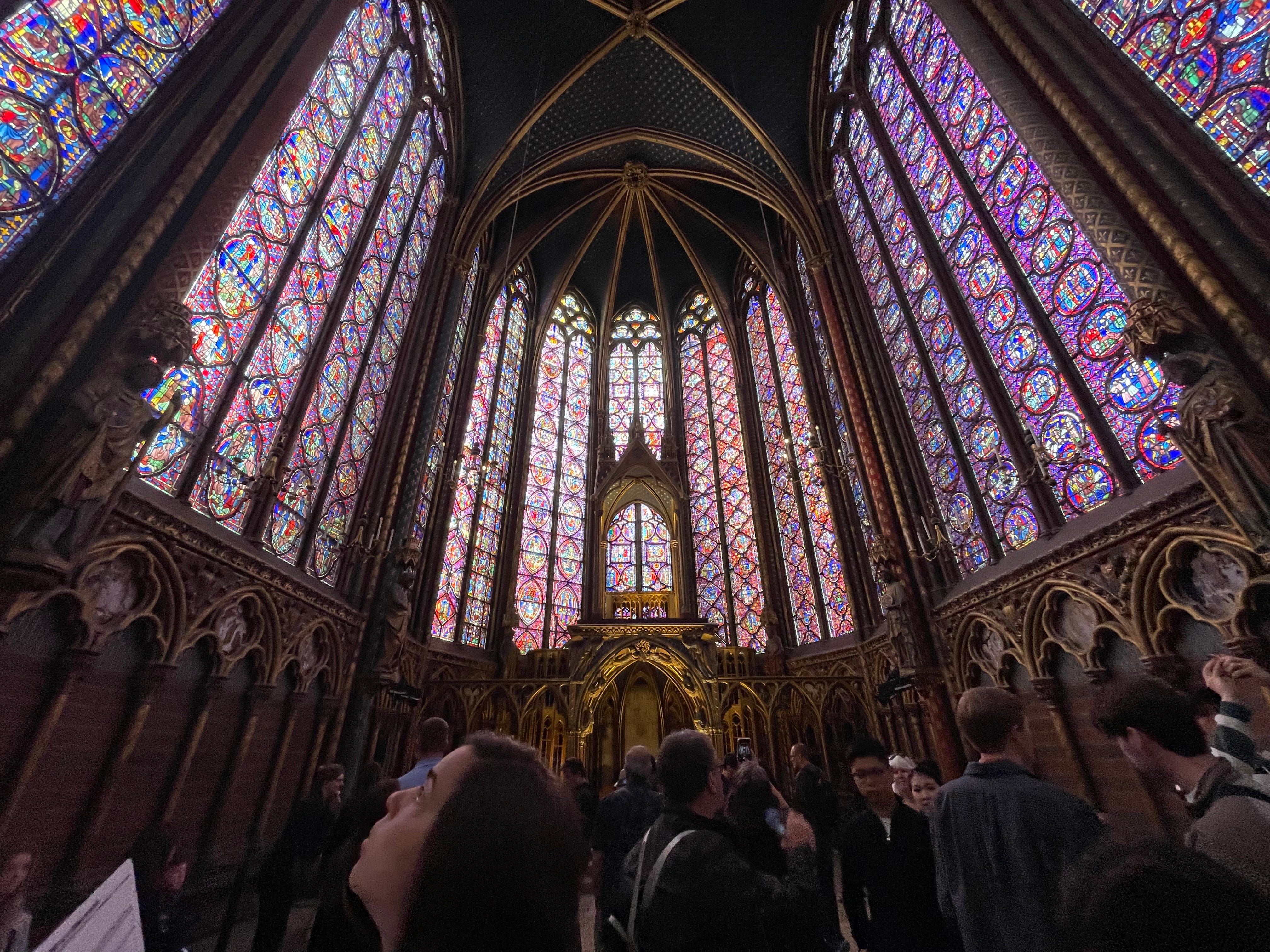
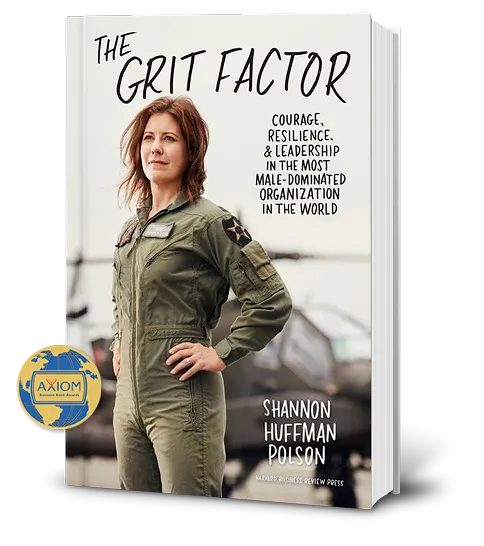
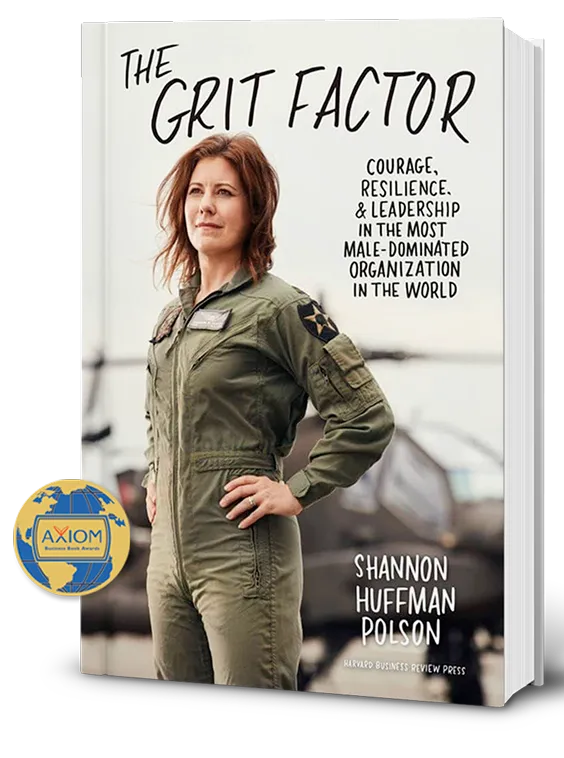
The Grit Factor is exceptionally difficult— maybe not possible— unless it is grounded in values.
It was the best of times. It was the worst of times.
-Charles Dickens, Tale of Two Cities
There are three things that we can and must do.
The first is to understand the landscape.
Understanding the landscape in which we are living and working is critical. This doesn’t mean burying out heads in the sand; in fact, the opposite is true. Critical thinking requires us to engage with the realities of the day. Knowing that accessing LLMs will inevitably be more informed by the absence of values at best is important in how we consider any information given to us by these LLMs.
The second is to continue working, and double down, on values and character development so that our work informs these models for the better.
If an external intelligence is informed by ours, we need to ensure it accesses the best of us. This starts with the deep and important work of learning about values and virtues over the breadth of our human experience, and then knowing and articulating our own values— and of course living into them. If you do not know your own values, you cannot stand for them, and we see this now all the time, the dissolution of critical thinking into social mores and norms of the moment.
David Brooks’ farewell letter to the NYT encapsulates this well:
But the shredding of values from the top was preceded by a decades-long collapse of values from within. Four decades of hyperindividualism expanded individual choice but weakened the bonds between people. Multiple generations of students and their parents fled from the humanities and the liberal arts, driven by the belief that the prime purpose of education is to learn how to make money.
We’re abandoning our humanistic core. The elements of our civilization that lift the spirit, nurture empathy and orient the soul now play a diminished role in national life: religious devotion, theology, literature, art, history, philosophy. Many educators decided that because Western powers spawned colonialism — and they did — students in the West should learn nothing about the lineage of their civilization and should thereby be rendered cultural orphans. Activists decided persuasion is a myth and that life is a ruthless power competition between oppressors and oppressed groups. As a result of technological progress and humanistic decay, life has become objectively better but subjectively worse. We have widened personal freedom but utterly failed to help people answer the question of what that freedom is for.
The most grievous cultural wound has been the loss of a shared moral order. We told multiple generations to come up with their own individual values. This privatization of morality burdened people with a task they could not possibly do, leaving them morally inarticulate and unformed. It created a naked public square where there was no broad agreement about what was true, beautiful and good. Without shared standards of right and wrong, it’s impossible to settle disputes; it’s impossible to maintain social cohesion and trust. Every healthy society rests on some shared conception of the sacred — sacred heroes, sacred texts, sacred ideals — and when that goes away, anxiety, atomization and a slow descent toward barbarism are the natural results.
The work of reclaiming our history and our values while ensuring dignity and respect for every human being must be our shared work. We must inform the LLMs and ourselves with the best of what it means to be human, rejecting the current excursions into extremism and nihilism (the left) and dangerous and regressive interpretations of traditionalism (the right).
This mandate will be and is incredibly difficult work. Now, more than a generation has been poisoned by what Brooks articulates— nobody is innocent and nobody is immune— and a concurrent (sometimes related) collapse of critical thinking, so that educators are teaching and children are learning within this broken system. To build back what this means institutionally is a very long game, but should not dissuade— in fact should inspire— each of our individual work toward that end. In the Christian tradition, we believe every person is created to be an image bearer of God. We should reclaim and refine the values and the virtues that identity for us all, every one, across nations and languages and cultures, where we respect the dignity of every human being (a part of the Episcopal baptismal creed).
(What does this have to do with The Grit Factor? True grit is built on values.)
Finally, and perhaps most importantly, thoughtful and independent people will ferociously guard their lives and humanity apart from LLMs.
The boundaries and guardrails around what we look at as the best of life might be more important than ever. If culturally we have lost trust in institutions, we should not replace those institutions— or the place in which to put trust— in largely opaque large language models, and yet we seem to want to put our trust in— something. Guarding our lives and humanity might for some look a lot like avoiding the reality of what’s happening, but what it should look like is a critical engagement and discerning and confident choices, opting for what makes us human over what would pretend our humanity— which is to say the wonder and awe of our bodies moving and breathing within the created world, our very human hearts loving and beating, our own discerning minds, and our spirits, our souls, that uniquely precious spark and fire of humanity made as imago dei. To protect this, we have to recognize and honor what is beautiful and good in ourselves and in each other. We have to reclaim our communal values and live into them.
Gen Z might be leading an awareness back to what matters…
Some young people— it’s hard to say which, and how many— seem to be understanding this. Beyond the tendency to return to vinyl records— a trend I fully support— there are reports that Gen Z is returning to dumb phones in some cases. Tech free reading parties and other gatherings are popping up in the U.S. and Europe, like this Offline Club in Amsterdam— hosted by young people. College classes such as Living Deliberately: Monks, Saints, and the Contemplative Life at the University of Pennsylvania challenge young people to experiment with living like monks— there are 300 applicants for the 14-20 students in a class.
Moreover, after decades of declining church attendance, Gen Z seems to be leading a resurgence in attendance at religious services. Perhaps there is a sense that our minds and spirit matter. Perhaps we will stand up and demand to hold them fast.
I’ve had a feeling I’ve not been able to articulate well the last several years, the idea that ideas themselves are porous, and that our minds are porous— by that I mean connected in a way that whether positive or negative, cultural norms spread the way a disease might spread (or a smile), in the air, by pheromones, who can say? Maybe it is only information, the mass of it, and how it is we consume it and then interact with others who have consumed it as well— which accounts for the pockets of wildly differing perspectives. What it means is that we cannot only solve for ourselves. We have to solve for the greater good. We’re built for connection, built for community; none of us are islands.
No man is an island,
Entire of itself;
Every man is a piece of the continent,
A part of the main.
-John Donne, Meditation XVII
but we are each and all accountable…
Perhaps we are self-correcting already, but the stakes are too high to wait for an uncertain tide to— maybe— pick up our small boats. We cannot rely on others to do the work. Our lives are too short and humanity is too important.
If AI helps to stabilize the economy as our population declines by the end of this century, that may be a good thing; it’s too soon to understand what this will mean. But what is certain is that these new technologies will be a big part of our lives.
As with any change, we must keep our eyes open, and initiate or redouble our work on bringing values and virtues back into schools, workplaces, homes and communities. (for schools and workplaces, the Jubilee Center at University of Birmingham is doing excellent work). Make the vocabulary and the work of them commonplace. Refuse to accept what does not meet the standards of the best for humanity. Ask ourselves and each other the hard questions of what it means to be alive in this broken and still beautiful world.
This will require The Grit Factor— and deep accountability from each of us to what matters the most at home, at work and in our communities.
PS:
What I’m reading: this deeply concerning post on the downward trend in cognitive skills for today’s children which bodes poorly for our future in and out of work, this piece on Jessie Diggins and what excellence has meant— and when grit pushes too far
New here? download your free Grit factor manifesto!
PSS:
I’m on my way to the Olympics to watch the Womens Nordic 10k— our friend Novie McCabe is racing and we’re so excited to be there to cheer her on with her fellow athletes!
Apple | Spotify | Amazon | YouTube
Become the person who shows up stronger, clearer, and more purposeful — no matter the challenge.
Transform your leadership, decision-making, and personal resilience for stronger, more purposeful leadership and resilience organizations.