My top ten takeaways from 2025
and my top five books and travel locations this year, recommendations for your best new year
as seen on:





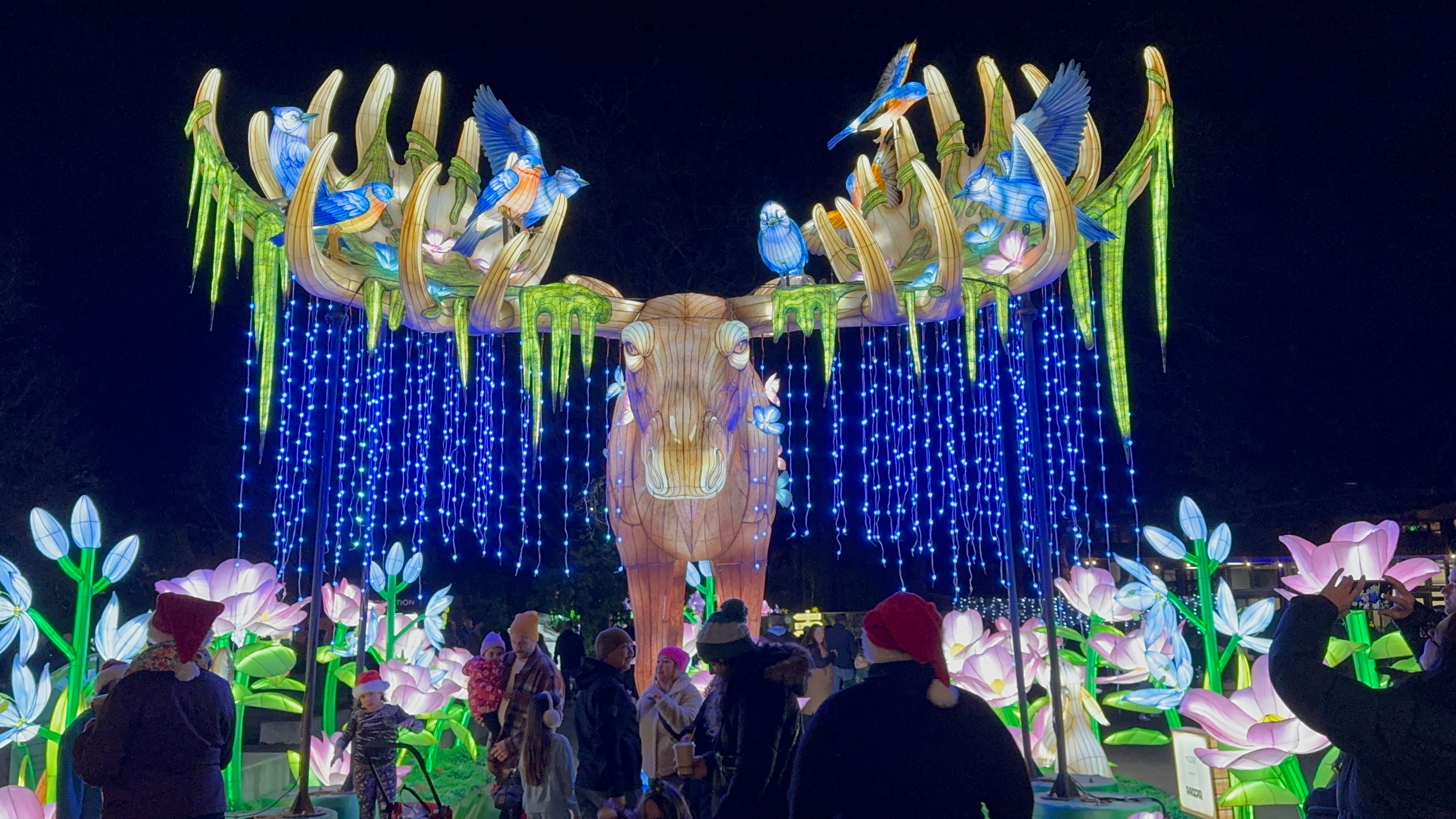
Zoo lights at the Seattle Woodland Park Zoo. Where are you looking for the light?
Carpe Diem! Life is short. Prioritize shared experience and adventure.
Our family took a long anticipated trip to Japan this year, visiting Tokyo and Kyoto, Hiroshima and Osaka and spending several days hiking on the Kii Peninsula. We worked to balance cultural and active adventures, were truly taken by the kindness of the people we met, and left hopeful for a return trip!
Let them run. Whether it’s an employee who is pushing to innovate— or your kids— sometimes you have to let them run. At The Grit Institute, we teach that doing hard things makes you better at doing hard things, and that it’s only by taking risks and pushing ourselves well past our comfort zones that we grow.
This past summer, our fifteen year old son this year returned to the Pacific Crest Trail which runs from Mexico to Canada. After having hiked from the border of Mexico to Northern California last year, he picked up the trail in Northern California this year and hiked to Canada. The mountains of Washington rival the Sierras for challenge and treachery, though fortunately he was lucky with weather. I don’t know what this incredible experience means for him yet, but I do know that it will be a defining part of his life over time. For him to have this adventure, we as parents had to let him go— with preparation yes, but with still significant risk. You’ll need to do the same to let employees grow. Ensure guardrails are there. Support them. And let them run.
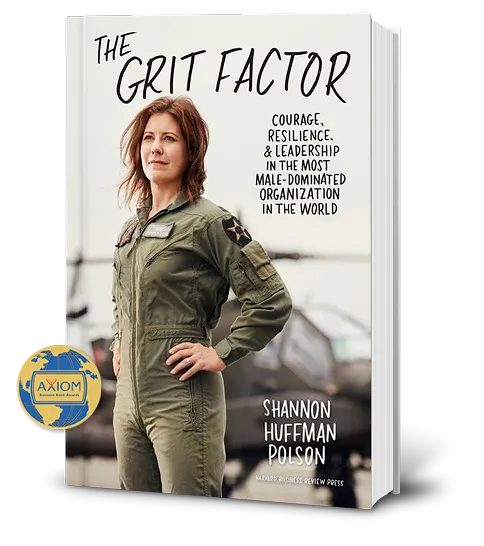
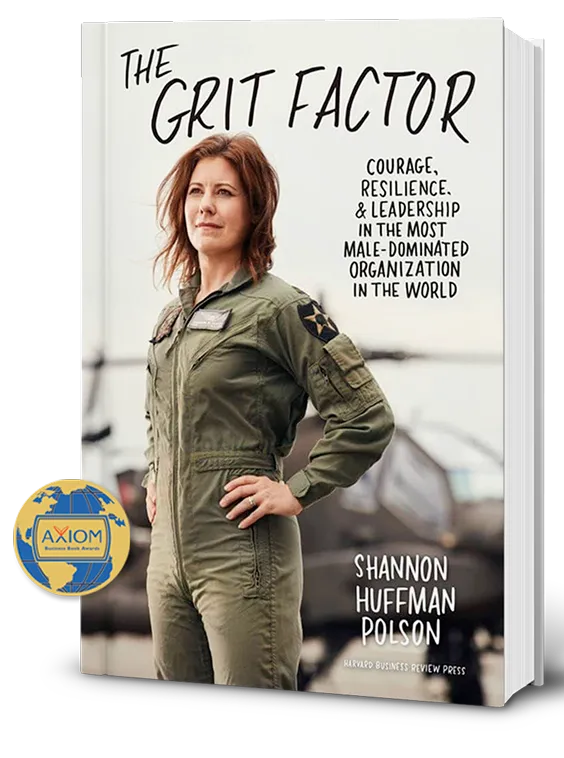
Purpose matters more than ever— and we don’t have it. The research on purpose at all ages is compelling and decisive: we desperately need purpose in our lives. There isn’t one way to approach or understand this, but making the journey to do that work is an essential part of our health and wellbeing in every way. That’s why purpose is a foundational part of all of our courses at The Grit Institute (if you’re new here, grab The Grit Factor— you’ll find an introduction to this in chapter 2).
This is such a massive topic, full of research and practical advice but just as much nuance— expect to read lots more about this in the new year.
Leaving a legacy. This autumn, two elders in our community who meant a great deal to our family passed away. Herbert was a friend and neighbor, a psychologist from Austria who had worked with Victor Frankl at the University of Vienna. In his mid-90s, he still walked every day, and hauled his garbage can a quarter mile and up a hull to his house. Herbert’s wife Irmgard died a couple of years ago, and Herbert had stayed by her side to care for her until the end. Both had taken up playing musical instruments in their 60s and played with the local orchestra; Herbert had played the cello. He attended every Suzuki cello concert for our older son, asking thoughtful questions and bringing him small gifts. Herbert, his son and his son’s family visited for dinner a couple of weeks before Herbert passed away. His son said that in his last days he said “I hope I have helped some people in my life.” He was a bright light in our lives and in many others, after a distinguished career, and we will never forget him.
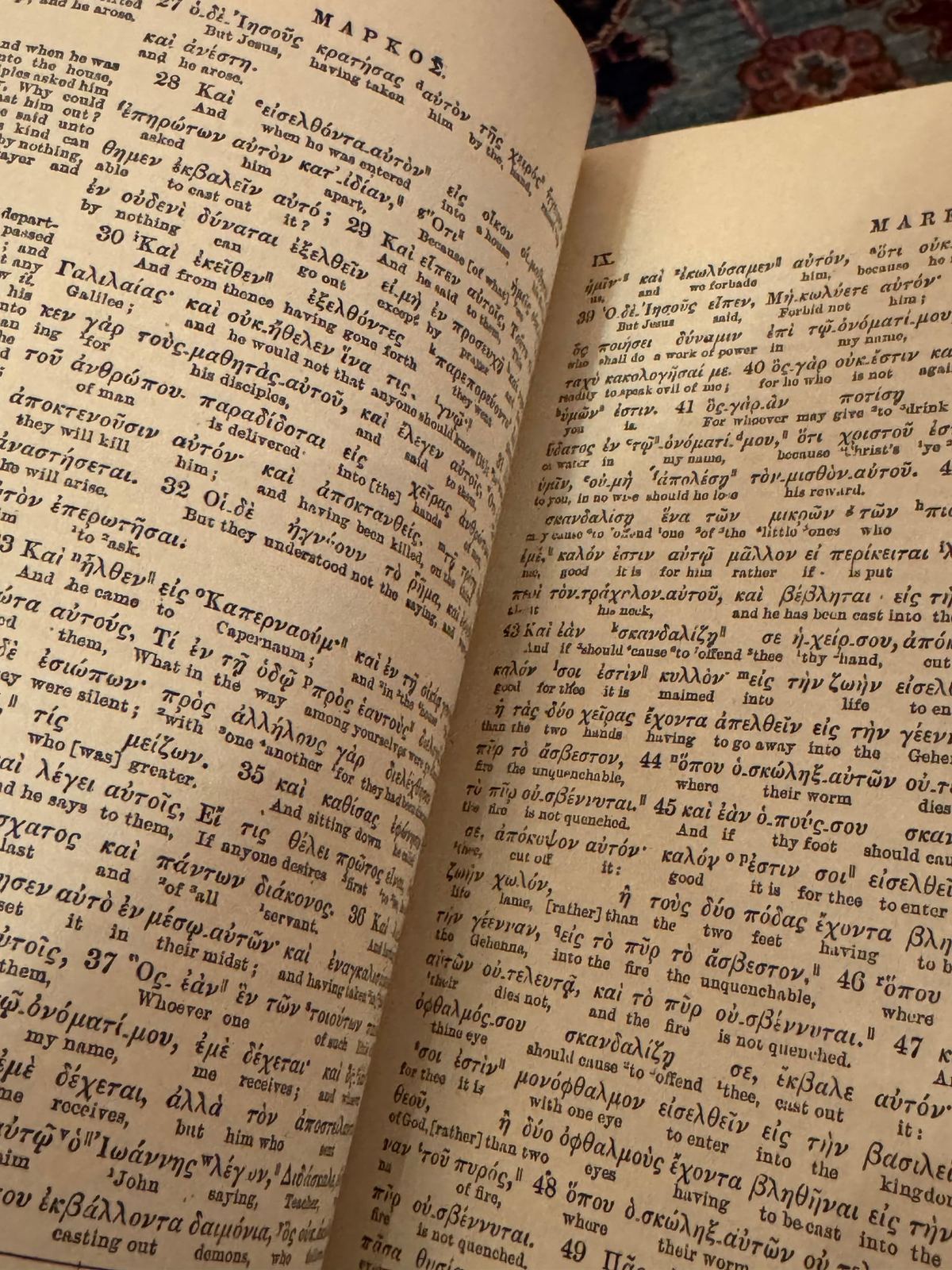
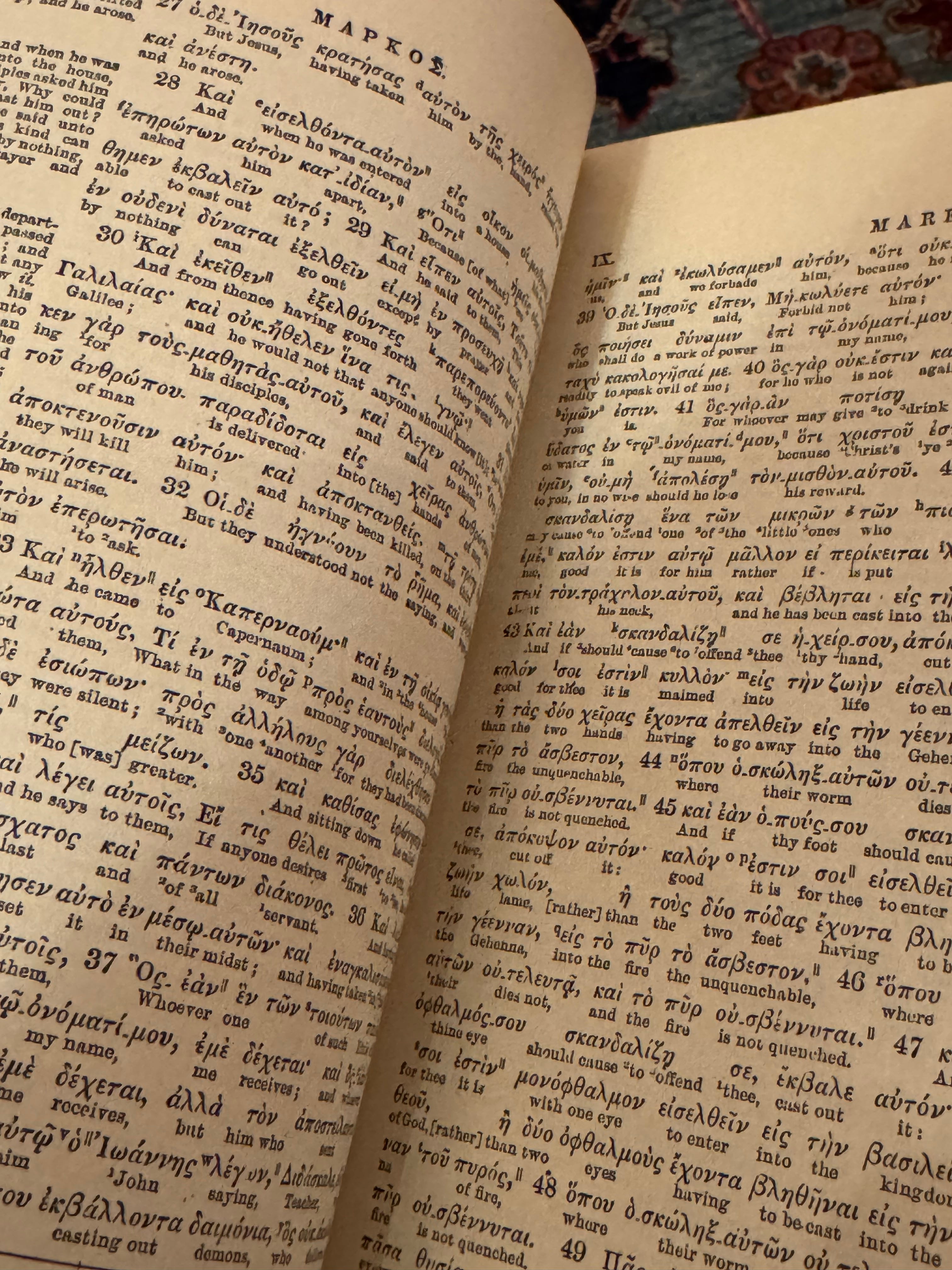
A few weeks ago, another elder, Bill, had a stroke and died a few days later. Bill had studied to be a Jesuit for 6 years, then joined the Marines, married his wife Diana, and they traveled the world together. He became a history guide for the Smithsonian in Europe. When we first took our son out of school seven years ago, in third grade, Bill immediately offered to help— what if he met him at the library once a week to study geography? Bill and our eldest met for months every week to learn together over maps. When I asked Bill if he would be interested in starting a classics book club he asked if I’d like it to be in the original Greek— which he could read and teach, though I could not. I took Greek lessons from him for a short time before realizing that his Jesuit study habits of several hours a day were required to be able to keep up with him and then had to pause. He gave me a Bible with both English and Greek. One day I hope to continue our studies, though they will be lesser without him.
Do What Must Be Done. Some time ago, I gave a ride to a hitchhiker— a PCT hiker named Happy. I wrote about it here. He shared the secret to success of finishing this 2,650 mile trail. It’s the hikers who say “when,” not the hikers who say “if” who finish. The hikers who say if leave room for failure. The tiers who say “when” are going to make it happen, even if they don’t know how.
If you have connected to purpose— if you have something that must be done— you find a way to do it. Whatever that looks like. This year that’s taken some unexpected forms in our family, and it’s not been at all easy. But one thing I know for sure is that success doesn’t come for waiting for it to be easy, or for someone else to get it done. It comes from staying committed to making things happen for yourself, for your family, for your community, for the world.
Read more, read better. In a recent post, I wrote of the decline of reading. We see it in texts assigned at schools; we see it in national test scores (and international as well— the U.K. is addressing the same challenges).
Reading— and what you read— matters, and it matters a lot. We are working to double down on our personal reading programs, and to support our children to do the same, though the effort is harder every day, and every year that the culture doesn’t support this same kind of deep reading (with a strong emphasis on classics— including poetry— and the Western canon, before the also important and necessary work of broader cultural reading) and deep work. This is a hill I’ll die on. Read. Read better. Read well. Read the classics.
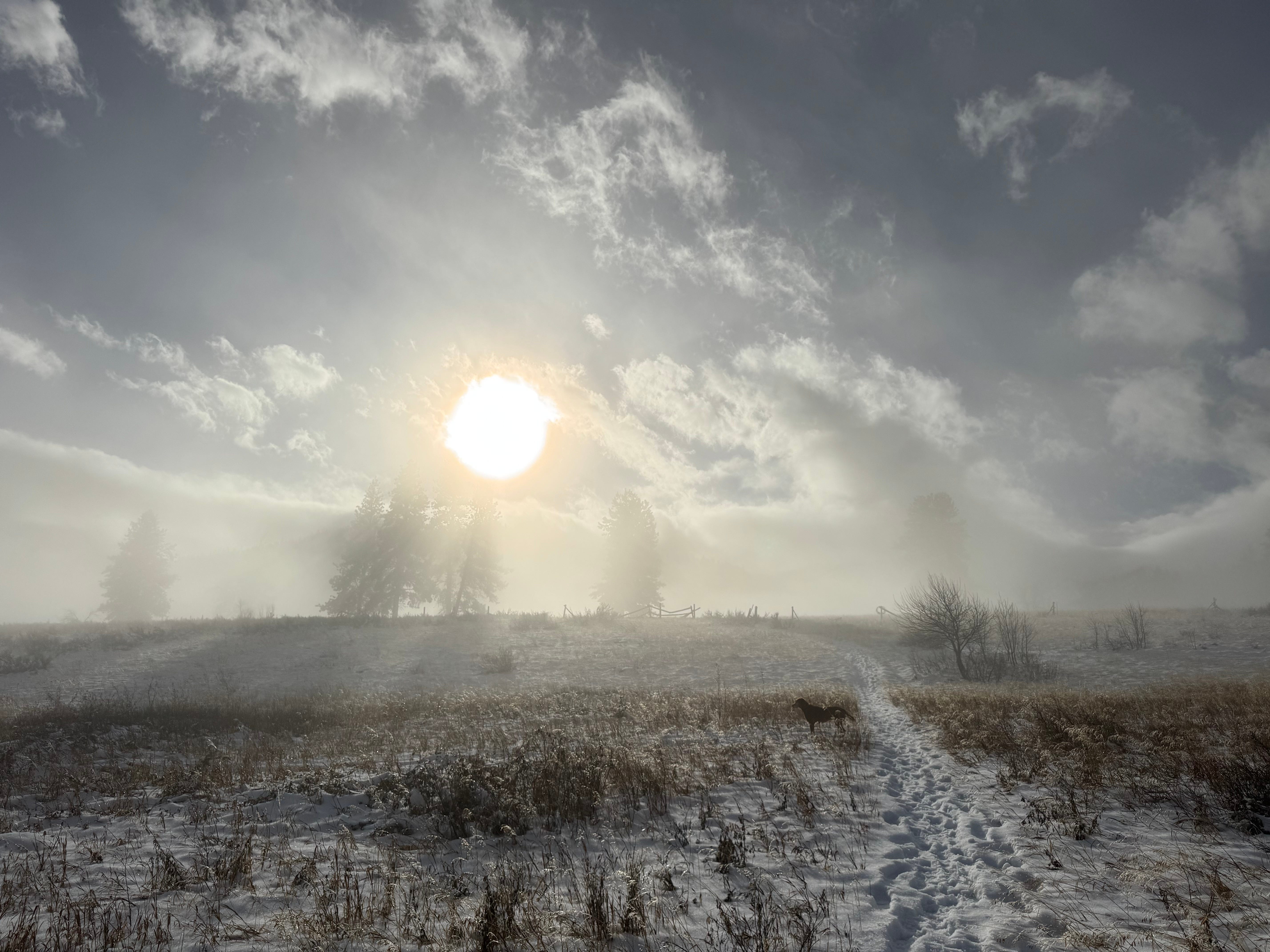
Water, fire, air, earth. From a recent walk.
Invest in yourself. In Stephen Covey’s book The Seven Habits of Highly Effective People (worth considering the accompanying workbook or the book for teens), this is sharpening the saw. Every year it’s important to invest in your personal and professional selves, each aspect of your whole life quadrant. This is training for your professional work, and it’s finding ways to grow and expand your physical, spiritual and emotion well being (relationships).
Watch this space for opportunities for a couple of new and exclusive opportunities to do this at The Grit Institute.
(A brief interruption with a plug for tools for a great new year! All Grit Institute partners)
Monk Manual: this is what I use and I love it. I’ve tried them all (well, a lot of them anyway) and this is the best planner for practicality, organization, aesthetics, and the balance of being and doing. Use the discount code SHANNONHPOLSON.
Baronfig: I ordered the Atomic Habits pens for myself and as gifts over the holidays. Beautiful products that inspire you to action, and pair quite well with the Monk Manual! Use the discount code SHANNONHPOLSON.
Big Life Journal: for adults AND for your kids, this gives you work to do on developing growth mindsets and GRIT! We use this in our family, and have for several years. Use the code GRIT15 for a discount.
People FIRST. People are still the most important thing— make sure they know it. In the midst of a focus on AI and technology, remember that these are tools. People are your most important asset. That’s the people in your family, in your community and in your organization. You may think that you know this— but is it evident in all that you say and you do? In addition to investing in yourself, be sure you’re investing in your relationships— and in your people. This is time, and it’s specific and targeted development. If you’re an employer, that means ensuring you are giving development opportunities to your people.
Don’t be political, but be involved.
Politics — the way they have been playing out— have been pulling our country apart. To be political in some ways is important; being involved is part of ensuring the longevity of our democratic republic. Test your feelings against critical thinking, and then stand up for what you believe in. ALSO: Listen to others. Reserve judgement on people, and focus on policies. Speak out when you see wrong: the horrific anti-Semitic massacre in Bondi Beach as the most recent example. Follow Builders on Instagram and find other ways to be involved in focusing on what we have in common, not on what makes us different.
Stay connected to what is most important, every day. How are you contributing? How are you loving? How are you taking care of heart, mind and spirit? At home, at work and in your community?
BONUS takeaways: Let things go. GO as ANALOGUE as you can go. The research around how technology is harming our attention and creativity is rock solid. I’m giving up my smart phone in 2026 for a dumb phone and the idea of it fills me with a profound sense of relief. Interested in joining me? Let me know what you think!
Speaking of the best of analogue: I’m also stocked up on Monk Manual planners, notebooks, and the Life Atlas for 2026.
My favorite 5 books of 2025:
5. The Age of Innocence, by Edith Wharton
4. Primal Intelligence, by Angus Fletcher
3. Small Things Like These, by Claire Keegan
2. After Virtue, by Alistair Macintyre
1. The Power and the Glory, by Graham Greene
My favorite places to travel in 2025:
Hanover, NH. Teaching at the Tuck School of Business spring and fall, my favorite seasons in New Hampshire (and in most places).
Montreal, Canada. Traveling to Montreal to film for The Strong Link podcast was a treat; Montreal is a gorgeous city!
Florida. We live in the mountains, and the chance to be on the ocean was unexpectedly powerful. That and the incredible company and inspiration at the Longleaf Writers Conference made for a particularly special trip. Grateful for the chance to participate as a CNF Fellow, which made taking that week away more tenable.
Denali, Alaska. A shorter trip than normal due to schedules, but still a special time at a place that means so much to our family.
Kii Peninsula, Japan. The wildest and most beautiful part of our trip to Japan. We loved the onsens, the temples, the hiking, and even saw a snow monkey!
Apple | Spotify | Amazon | YouTube
Become the person who shows up stronger, clearer, and more purposeful — no matter the challenge.
Transform your leadership, decision-making, and personal resilience for stronger, more purposeful leadership and resilience organizations.