The Silence Isn't About You
Women's History Month matters
as seen on:










WELCOME to the many new subscribers! I’m glad you’re here. So you don’t miss a thing, you may want to subscribe as well to the Youtube channel, and follow me on LinkedIn and IG. I look forward to being in conversation with you and supporting you in your leadership doing the hard things. And if you like what you see, would you share this with others?
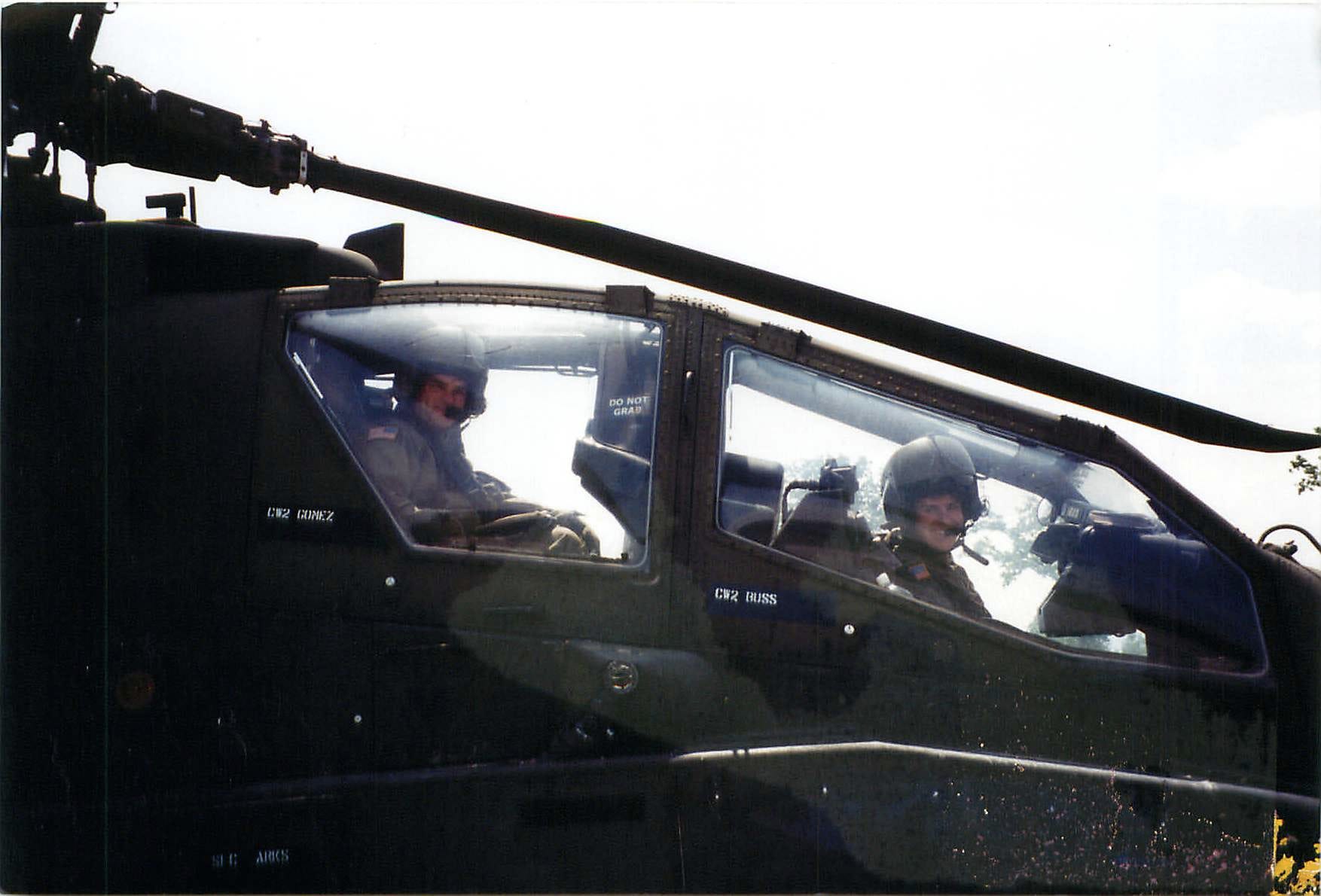
While leading an Apache platoon in Bosnia,
we had an opportunity to take a trip to Glamoc to fire an Apache gunnery. It was a deployment within a deployment, and it met our annual requirements to fire our weapons system— the three systems in fact, on the Apache helicopter: missiles, 30mm canon and rockets. We flew two hours to a helicopter gunnery range, or something that had been created to use as a range, in Bosnia and began the meticulous process of shooting targets far off in the desert and recording our work on video. Our performance was graded using what we recorded in the helicopter by the instructor pilots in the platoon and company.
My backseater, Matt, and I took off from the launch pad. We flew out to our position and began the process we’d trained for, firing rockets, 30mm, and notional hellfires (a much larger range was required for live hellfire firing, and so we recorded using all of the equipment but not actually releasing a missile). We returned, handed over our tape to be assessed.
The grading went long— several hours beyond what it might have. It turned out we’d won— but another instructor pilot, part of another crew— was furious. He required that the tapes be evaluated again, and then again. The results remained consistent.
The tradition was to add the names of the winning crew to a plaque in company headquarters, which we’d have to do on return, but the instructor pilot refused to do it. I went to the trophy shop in the strip mall in Fayetteville, North Carolina once we’d come back to country, and had the plaque made. My backseater and I had the highest score, and it deserved to be represented, even if other crews, or another crew, were bitter about it.
That silence, in lieu of celebration or even acknowledgement, is something many women know in their workplaces. If this is you, you aren’t alone. I know it, and know what you’re experiencing. If you work with women, know this is a part of many of their experiences.
We’ll work through and out of that silence this month.
An ask for you this WHM: I’d like to reach an additional 1,000 subscribers this month— would you forward this to anyone who would benefit and recommend they subscribe?
The Matilda Effect
A related term for this experience is the Matilda Effect, usually used relating to a bias against crediting women scientists for their efforts in favor of male scientists. The term comes from Matilda Joslyn Gage who published a tract titled “Woman as Inventor,” in 1883. It would later be published in the North American Review.
After detailing the many significant human inventions made by women, even when overlooked, Gage writes: “Inventors must not only possess full freedom to exercise their powers, but there must also be a certain welcome and protection of their ideas. Deprived, as woman is, of political power, she has to face contempt of her sex, open and covert scorn of womanhood, depreciatory allusions to her intellectual powers— all tending to hamper the expression of her intellectual genius.”
Since her writing in 1883, women continue to advance in their contributions and ability to contribute— and yet her description still rings with the bell of truth. This is what women who have done the work still face. Not just the opposition, but the silence. The refusal to— or the seeming oversight of— acknowledgement.
At first the silence is a surprise. And then it begins to be deafening itself— a statement louder than words that what women contribute is not valued, or not invited, or not wanted— or that if the contribution is accepted, the contributor is not. This is a challenge it seemed we were beginning to move beyond, but recent conversations about “household voting,” and thus discounting women’s votes (from a pastor invited to the White House) are deeply concerning.
What does silence do? For me, I began to question myself and my contributions. I wondered if I might have been mistaken— not just in the contribution I’d made, but in being at the table at all. That is the intent of this kind of silence, to cause exactly these doubts, and to prompt us to decide it would be better to leave, better to find another place to give our best.
And this is why we have to speak into that silence as women and as men who care about our organizations, who care about the best people doing their best work and ensuring everyone is not only at the table, but an active part of the conversation.
Share the stories of those who are living in the silence, facing the silence. Learn from them. Hold them up.
Here is one place to start:
if you haven’t listened to my conversation with the first woman to fly the tornado in the U.K., Mandy Hickson, you’re missing out— we laugh as much as we talk! And Merryl Tengesdal, the only black woman to pilot the U2? She has excellent aviation- worded advice for those who are stuck and unable to move forward. The first two women Army Rangers? They’ll knock your socks off. These conversations are all available to you and those you know who need some inspiration— and tactical advice from leaders who did the hard things. (If you prefer to just listen, the podcast link is here.)
While you’re at it, would you subscribe, and share with a friend? Another goal this month: 1,000 new subscribers over on the YT channel. That makes these incredible discussions more available to others.


Another place to start? In your reading.
Here’s a list of books on leadership, or memoir, by women veterans.
Another short list on grit by women leaders.
Buy them. Read them. Give them to your friends, your colleagues. Sponsor a book club in your organization. bring these books into your leadership development.
Share the stories.
And finally, find a way to include these stories in your meetings, your 1:1s, your conversations. Give them wings. Set them free.
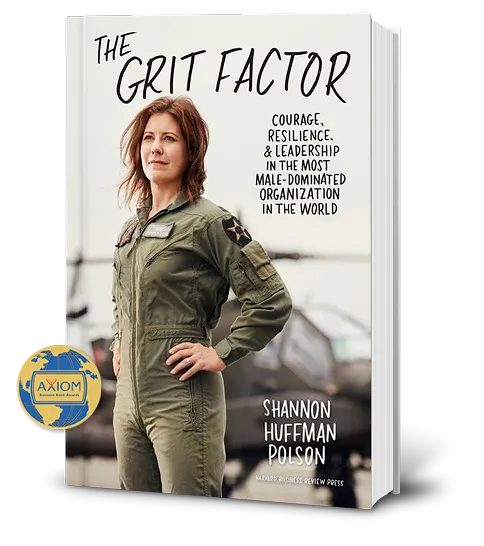
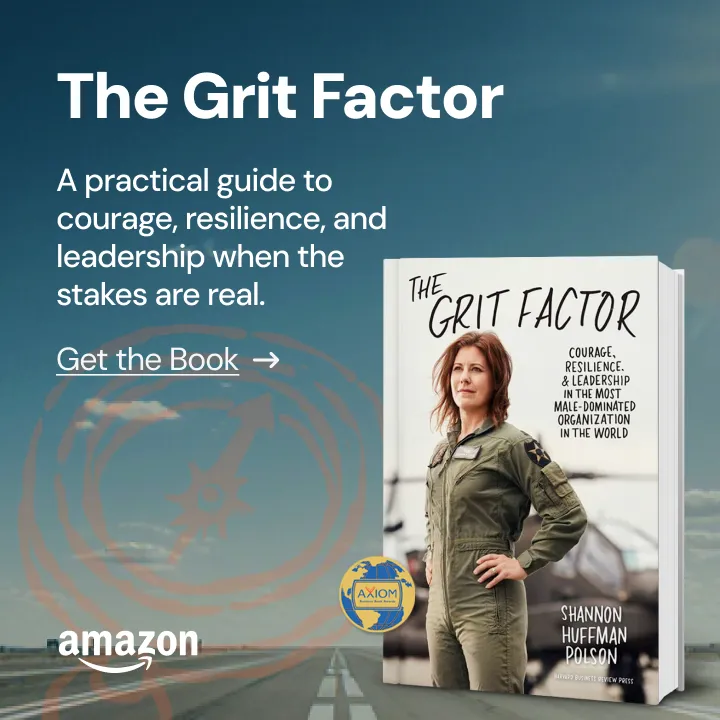
I’m booking keynotes for 2026-27. Reach out if I can bring The Grit Factor to your organization!


Apple | Spotify | Amazon | YouTube
Become the person who shows up stronger, clearer, and more purposeful — no matter the challenge.
Transform your leadership, decision-making, and personal resilience for stronger, more purposeful leadership and resilience organizations.