What saved my life on the side of the tallest mountain in North America
and what this tells all of us about the age of leadership
as seen on:








A sleeping bag and hot Tang saved my life at 17,000 feet on Denali.
Not exactly the heroic rescue story you'd imagine at that altitude. But that's the point.
I was 17,000 feet up one of the world's most unforgiving mountains, and I had no idea I was dying.
That's the thing about hypothermia that nobody tells you. You don't feel yourself going. Your body quietly starts shutting down. Suddenly you're shivering, uncontrollably. I was crying, and unaware of why. I fumbled around with my gear. It was too late to take care of myself.
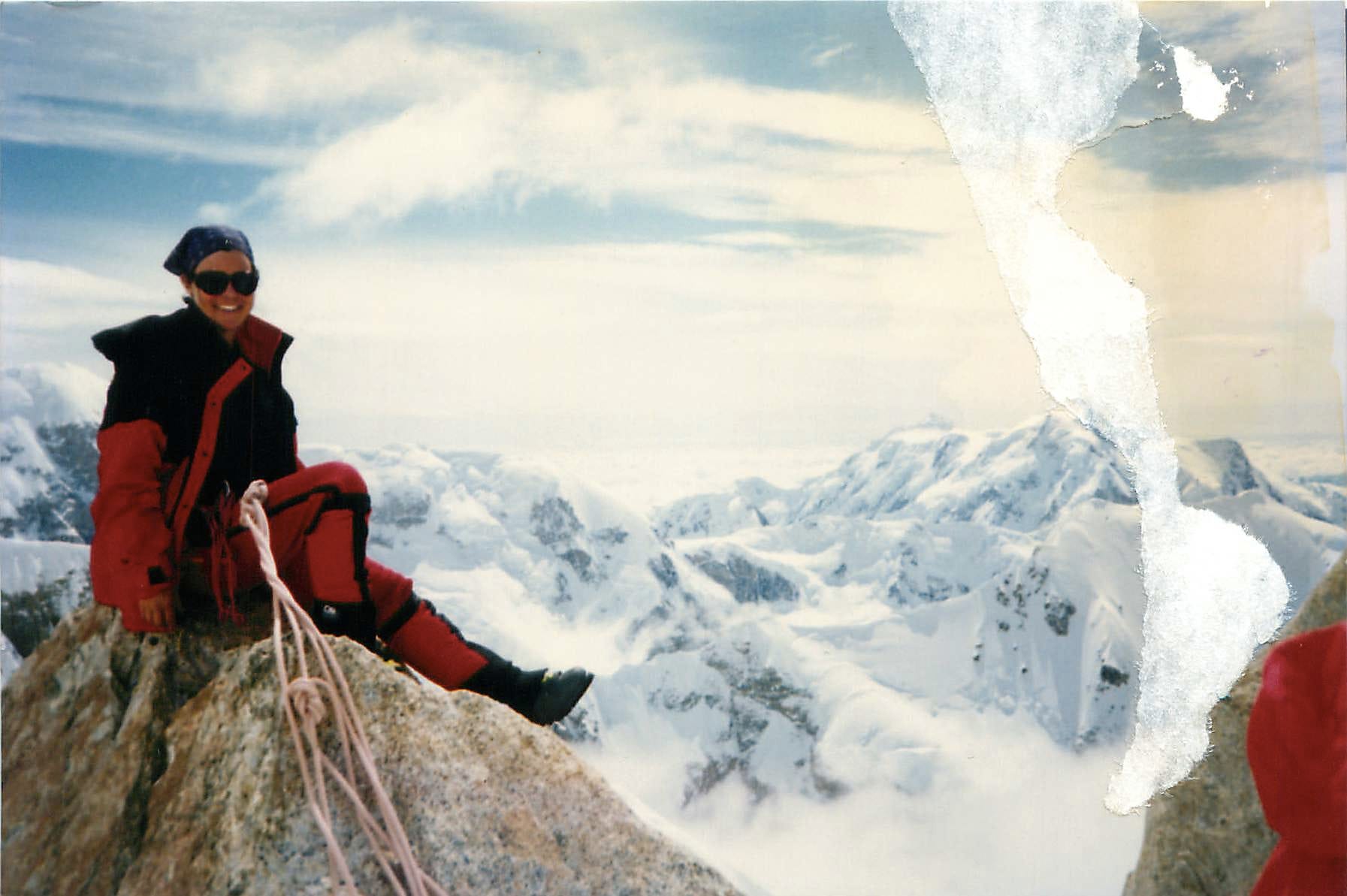
We had been having an extremely slow day. A teammate, a man Fromm across the country named Keith, was suffering badly. We went at the his pace up the headwall— the two thousand foot icy slope between 14,000 and 16,000 feet requiring moving along a fixed rope using jumars— painfully slowly. Every step, Keith had to stop, and we did too; we were roped together. The lack of momentum doubled the effort. At the top of the headwall, our guide John distributed the load between his pack and mine, and we kept moving, still slowly; our moving time that day was nearly double what it should have been. Fatigue doubled. Exposure doubled. By the time we were ready to set up camp, I’d passed my own limits, and not in a good way.
What I couldn't tell you — what I genuinely did not know — was that doing the right thing for my team was pushing me past a line I couldn't see.
I didn't ignore my limits that day.
I didn't know where they were.
And that is a completely different problem.
Our guide, John, caught it. He took one look at me, had me in a sleeping bag within minutes, and handed me the most important cup of hot Tang I will ever drink in my life.
I wasn't being tough or stoic or selfless. I was simply unaware. And unawareness at 17,000 feet — or in a high-stakes team environment — can be catastrophic.
Here's what that mountain taught me about teams and limits:
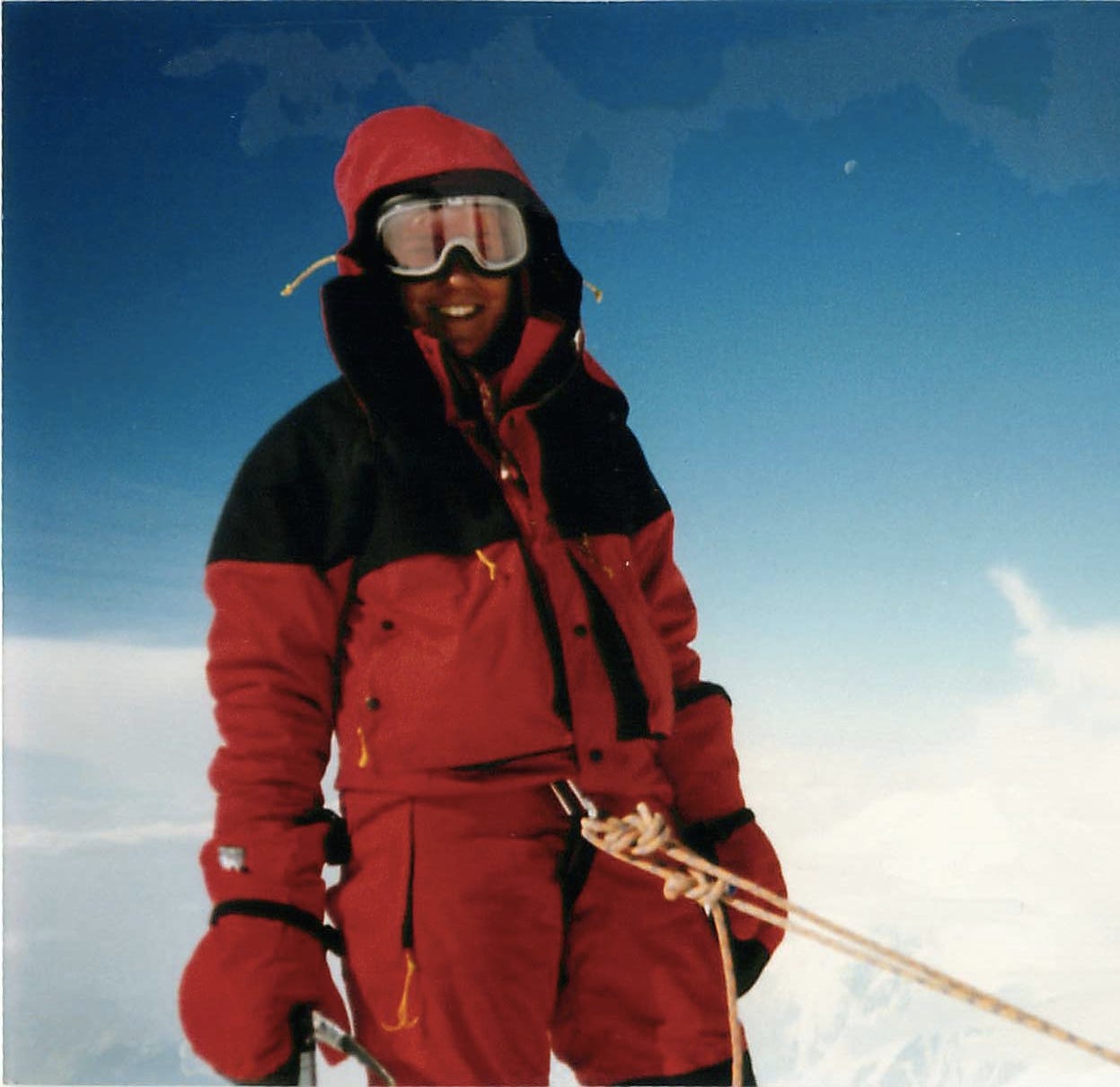
1. You often don't know your limit until you've crossed it. This isn't weakness. It's human. The goal isn't to always know — it's to build teams and cultures where someone else is watching for the signs you can't see in yourself.
2. The person next to you may be one step from collapse and have no idea. Check in. Not "you good?" — actually look at them. Our guide didn't ask me how I felt. He observed me. There's a difference.
3. Shared load requires shared awareness. When your team rallies around someone who's struggling, someone needs to be watching the ones doing the rallying. Heroic effort has a cost. Great leaders track that cost.
4. Recovery isn't failure. It's the strategy. A sleeping bag and hot Tang sounds almost comical. But getting horizontal and getting warm was the right call. The fastest way back to the team is sometimes to stop.
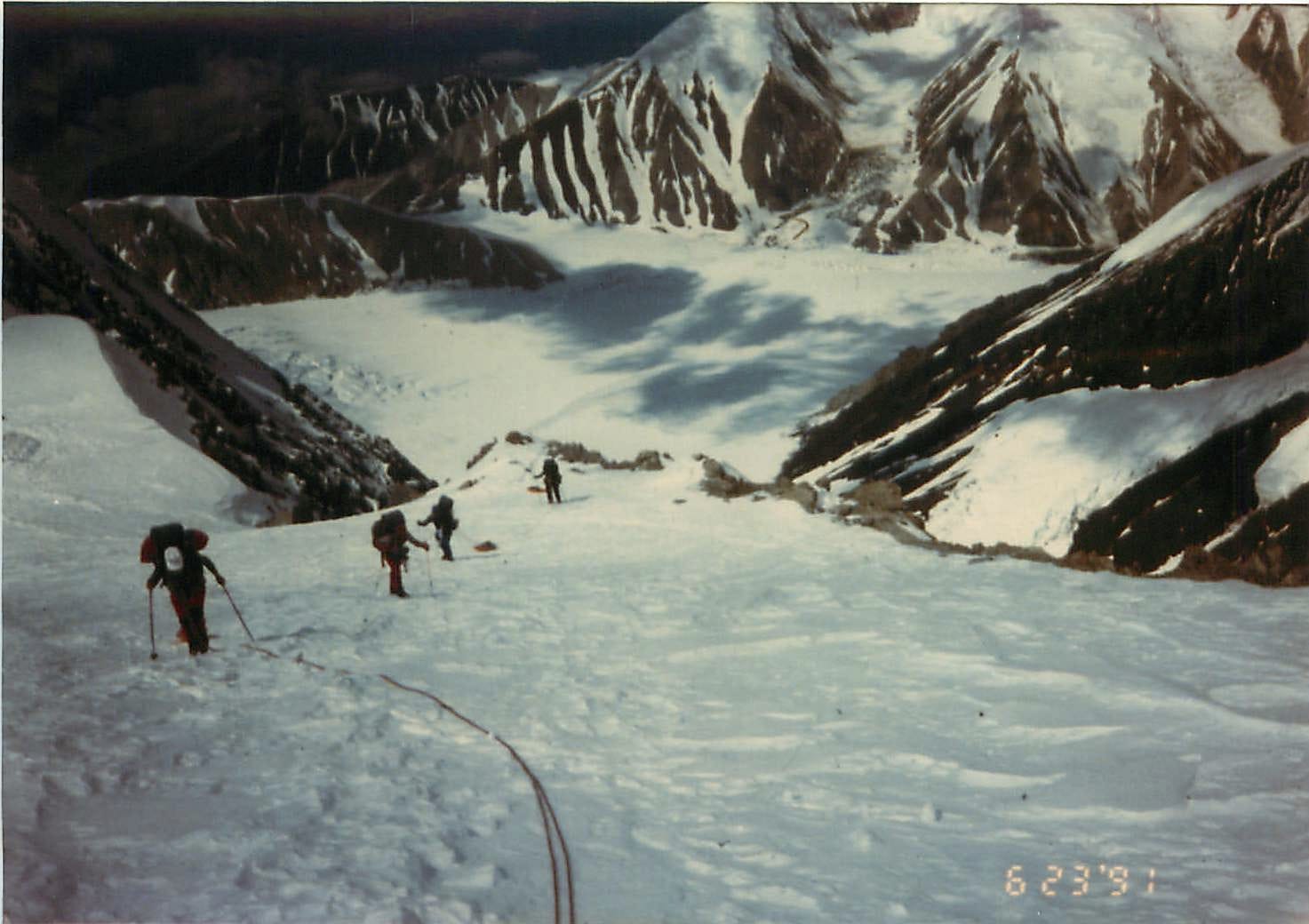
I think about that guide (the wonderful late John Michaud) constantly when I work with teams. He didn't shame me. He didn't wait for me to ask. He just saw what I couldn't see and acted. He taught me a great deal that I would take into the military, and beyond.
He knew what I'd heard articulated so well by my first battalion commander in the military: the only good use of any increased power is the increased responsibility to take care of your people.
Have you ever been caught off guard by your own limits — or spotted someone else hitting theirs before they knew it?
How do you take care of those who are stepping up to put in the work?
Respond to this or leave a note in the comments— I’d love to know.
What I’m reading: This piece in the Guardian and this one (the UK is ahead in recognizing and reviewing the documentation around the severe problems with screen time and youth)
Watching: Stephen Colbert’s interview that they wouldn’t air

Apple | Spotify | Amazon | YouTube
Become the person who shows up stronger, clearer, and more purposeful — no matter the challenge.
Transform your leadership, decision-making, and personal resilience for stronger, more purposeful leadership and resilience organizations.