You won’t get paid for that. Do it anyway.
And habits I'm starting in 2026.
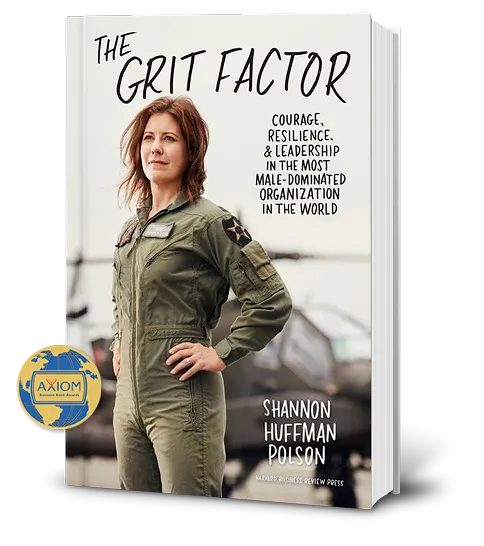
as seen on:










Alarm bells:
In the last few years, two different people have asked a question or made a statement that didn’t just surprise me, but triggered a sense of alarm, especially as I felt the resonance of these questions or statements with other signals around me.
The first came in response to what turned out to be equivalent to a full time job for nearly six years, founding and building a (also all volunteer) board to envision, fund and build a new library in our community. “You do this without being paid?” someone asked— and not just asked, but asked incredulously. If I remember, I made a joke in response: “They wouldn’t be able to afford me!” — which, in the case of our organization, was true without any question. The question itself alarmed me.
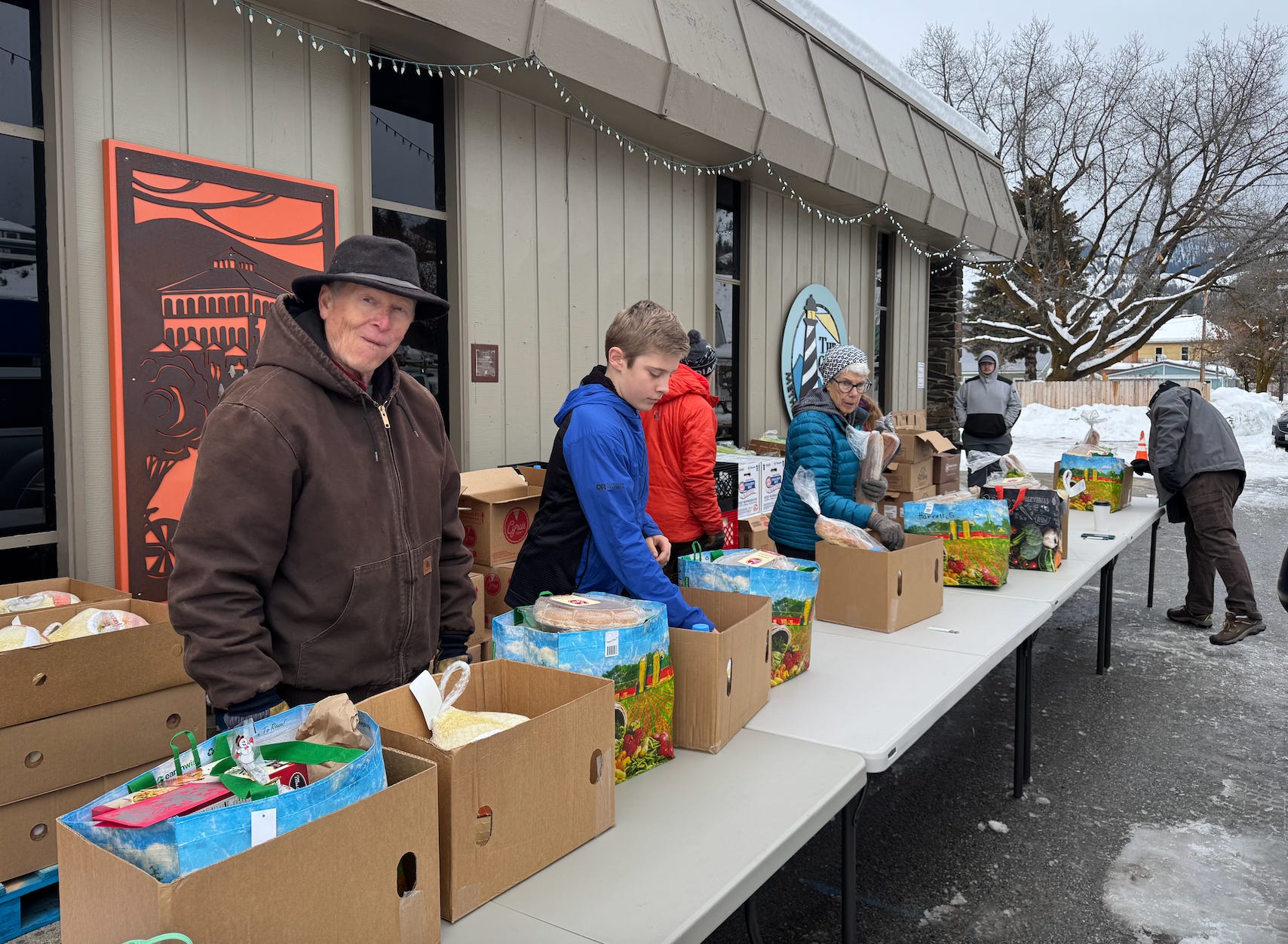
Volunteers a couple from our church and our eldest son helping pack Christmas meals at our local food bank
I’m certainly not opposed to being paid. I’m fortunate to be a premier keynote speaker and work for some of the best companies in the world, along with lecturing at the Tuck School of Business at Dartmouth as a part of their Leadership and Strategy Impact program. I believe all of us should be paid fairly for our experience and expertise, and most of all, for the transformation we bring (in the case of my work) to organizations. I’m concerned about the inequality in salaries between men and women. We all should have meaningful work that is paid fairly.
I’m offering a free Mastering the Grit Mindset Masterclass next Friday and would love to have you join me! You can register here. Replays available for 24 hours only. Paid subscribers will receive a link to the recording.
It’s a privilege to do work that is both challenging and engaging, and it thrills me to see it make such a difference in people’s personal and professional lives. At the same time, if you were to ask me what I’m most proud of in the last decade, it would be my family. It would be founding and running (for now over a decade) a lay faith community. It would be the five years of effort, health and sanity given to the work of building a board and working with them to fund and build a library in our community. It would be helping kids learn at schools. All but the first thing on my list receive no remuneration.
A young woman I know made a statement a couple of years ago I’ve never forgotten: I deserve to be paid, and it seems like (the community in various ways) is just asking for all of us to do things without being compensated.
Of course we should be paid for the work that we do, in the primary economy, and ideally, if we’re lucky (and when we make our luck) find a way to do truly excellent work that is compensated fairly. How much that should be depends on the person, one’s experience and value added, and the choices a person makes in their lives. If you demand strict boundaries on the time you work and the location where you’re willing to live, you’ll likely compromise aspects of compensation in other ways. If you are truly fortunate, you find work that is both vocation and avocation. Either way, work is how you pay your bills, and how each of us are part of the broader economy. The answer to paid work and giving back must be both/and.
The volunteer economy
But there is another critically important economy— the volunteer economy. This economy runs on good will and the common good. It is fueled by gratitude and an awareness of our own luck fortune. It has been a function of the American economy since our inception— since Benjamin Franklin’s volunteer Fire Brigade. Alexander de Tocqueville wrote in Democracy in America that “Americans are forever forming associations. No sooner do they see a need, then they rush to meet it.” But in the last several decades, volunteerism has been in a precipitous decline. The Stanford Social Innovation Review notes that volunteering has been declining across every sector, just as the need for it has been growing— the Chronicle of Evidence Based Mentoring notes this has had a particularly detrimental effect on high touch efforts such as youth mentoring. Our volunteer economy is failing, and, given the reverse of the benefits it has provided for years, and given all indicators of our fraying connections and increased polarization, taking our society and community down with it.
One correlated— and likely causative— trend is the attrition in attendance at houses of worship. Oxford Academic finds that “frequency of religious service attendance on average has a positive impact on generalized trust, volunteering, and perceived cooperativeness.” Of their sources studied, another (among many) suggests that “individual religiosity is positively associated with charity work.” This is another, longer conversation, though I’m grateful that the “Brooks Brothers,” (my term— ha!) Arthur Brooks and David Brooks (as well as others), are independently bringing the importance of faith and mystery back into our national conversation. Both declines are tracked to increasing individualism and reduced trust in institutions.
Whether or not faith figures into your life right now, the accountability to giving back to your community must. I think of the countless hours put into running the Scout troop of which our boys are a part, both by parents and one of the founders, a retiree. Sports teams, school volunteers, conservation efforts, visiting elders, feeding those who don’t have enough— these are acts of kindness and love that are done by people who care, and who give generously of their time and their talents, as well as financially when they can. Those people should be all of us. This is how we repair community. This is how we repair the world.
Organizational benefits
Companies which find ways to give back together find that it builds cohesion in their organizations, too. Not only do they contribute together, but the vulnerability that is a part of this work, the moving to a different space in awareness and connection with communities beyond themselves builds the community within the organization as well.
Perhaps you are already someone who finds ways to give back. But if you’re not, and even if you think you are balancing too many plates, this year I want you to consider working for free— at least part of the time.
I’m fortunate to have the example of this set by my own family. When I was a child, we did volunteer work as a family or through our church community— visiting retirement homes with my mother— which I remember hating, but we talked about its importance— making sandwiches at our church food pantry for those who needed it, delivering groceries to people on Christmas Eve with my father. And my parents modeled this through their own time outside of the family as well: I remember once, in the wake of divorce, seeing my dad sitting in the bleachers at the swimming pool at the end of my swim practice. He looked exhausted. He served on the swim team board, was senior warden at our Episcopal church, washed windows at church and likely did more of which I wasn’t aware. He was running a law firm in a time of extreme uncertain economy in Alaska. I remember asking him— you have so much you have to do— why not let someone else take some of the load? And he looked at me with a weary smile, and said “Shannon, to those whom much has been given, much is expected.”
He felt— in a way he had learned from his own parents, who also ran church groups and balanced careers and families and volunteering, invited people in to live with them for years at a time and more in small towns in Kansas — an accountability to his community because that was simply how humans lived into their humanity.
When you make this kind of commitment, acknowledge this kind of accountability, you set an example for all those around you, and open up possibilities others may not have considered. In my experience, it’s a pulling back of the curtain for yourself and others on what could be. And it’s a priceless gift you will bring back with you to the office, to your work with colleagues and clients, and to your family and friends, because it becomes a part of who you are.
How to join the volunteer economy
Ask yourself these two questions:
What breaks my heart?
What do I love that makes the world better?
Then move to an assessment of what you might be able to take on. How much time could you realistically commit? And how can some of that time be a part of working with others on the same project, or in direct connection with people served?
Find groups in your area working on the issue you’ve identified. Reach out and have a phone call or two. Have coffee. Find a way your skills and experience can support the work. (or reach out an have a virtual coffee if the organization is further afield)
Try things out. Until you find a longer term fit, find a way to volunteer for a day at different places connected to causes that are close to your heart. Schedule this regularly. Make it a priority on your calendar.
Bring a friend. Everything is better with friends. One of the many reasons religiosity is connected to volunteerism is its aspect of community.
Once you’ve done this, and begun to offer your energy, your time, your talents, you’ll start to see other opportunities. You’ll connect with others of similar generosity and good will. You’ll make adjustments as you go.
A tip: when you practice gratitude daily, in and for your own life, finding ways to give back will become something quite natural.
A caution
You can burn out on this kind of work just like you can with any other. Be careful to take on what you can, and keep a pulse on how you are doing. Make adjustments as necessary. The goal is to find something you’re passionate about where you can give of yourself for the long haul.
And resist the very natural urge to compare what you are doing with others. it turns out a relatively small part of the population does the vast majority of the work in this second economy, across all spheres. It’s easy for that to be — sometimes very— discouraging. As with anything of meaning, focus on its value for you, your family and your organization— and the world. Stay connected to the purpose.
But when you find a way to make it work? This work is likely to be as meaningful or more so that what you do to pay the mortgage.
What does it mean to be meaningful?
Connecting with that broader and deeper river of life of which we are all a part, but with which many of us have little or no contact or awareness. It’s working in the margins of life, and knowing people in a way that stretches our hearts and deepens our understanding. It’s what people call “building empathy,” a term used so often it’s easy to forget what it actually means— a word that comes from the late 19th century meaning “in- felling.” This is work that builds the kind of strength measured in tenderness, that invites discomfort in the name of connection, that, in the words of this middle school student below, builds a more generous society.
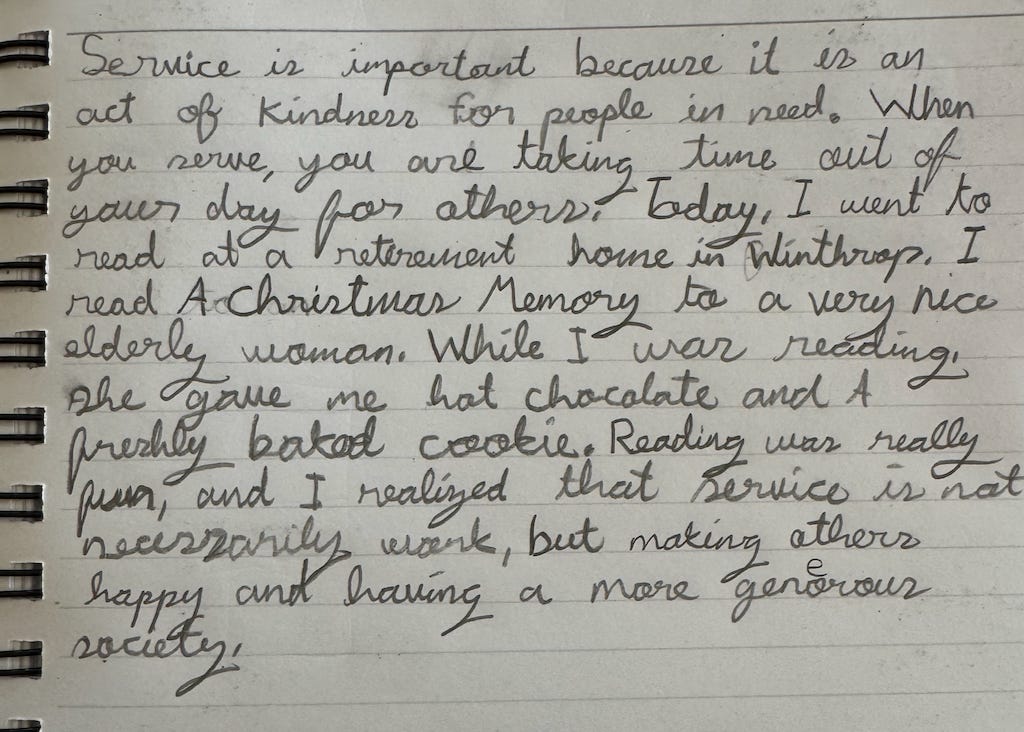
One student’s reflection on service
Of course, ideally, both work and volunteering bring meaning and purpose to your life, or both are aligned with your own meaning and purpose. But the world needs you to work and to give. It needs every one of us, not only in how we care for each other, but in how we give generously of our energy, our talents, our finances, our hope. We can be grittier if we work together.
Here’s to giving back in 2026.
Here’s to rebuilding communities, relationships, and our world.
With all my best, and to your grit,
Shannon
Habits
Habits I’m working on continuing or developing in 2026 (here’s the four quadrants exercise for a refresher to prompt your own ideas!):
Commitment to my Commonplace book. Right now I’m using the vegan leather Companion book at MonkManual (I also recommend their planners— link goes to the 90 day planner to try out). Here’s how to think about it.
Working to prioritize health. Before marriage and kids, I did Ironman triathlons. Since, it’s been very nearly the opposite. Middle life sends signals to you or those around you if you pay attention. Prioritizing health means doing the work to be at my best for family, for my work, for my community and for the world. 9i have a ways to go)
Reading, continuing my emphasis on classics. Not only is the writing nearly always (always) superior, but these are ideas that are part of the human story. Of course, it’s also important to stay connected to exceptional contemporary writers too, as well as poetry, philosophy and theology. AI may be commoditizing knowledge, but wisdom and character, leadership and judgement are in increasingly short supply. We should prioritize reading and thought that builds these important capabilities.
PS: I want to know what you’ve done as a part of this second economy, and how it’s changed your life and the lives of those around you for the better. Comment or reply to this email!
Apple | Spotify | Amazon | YouTube
Become the person who shows up stronger, clearer, and more purposeful — no matter the challenge.
Transform your leadership, decision-making, and personal resilience for stronger, more purposeful leadership and resilience organizations.